


Food for Thought Season Closes with History, Growth, and Annual Meeting at Prairie Museum
April 16, 2026
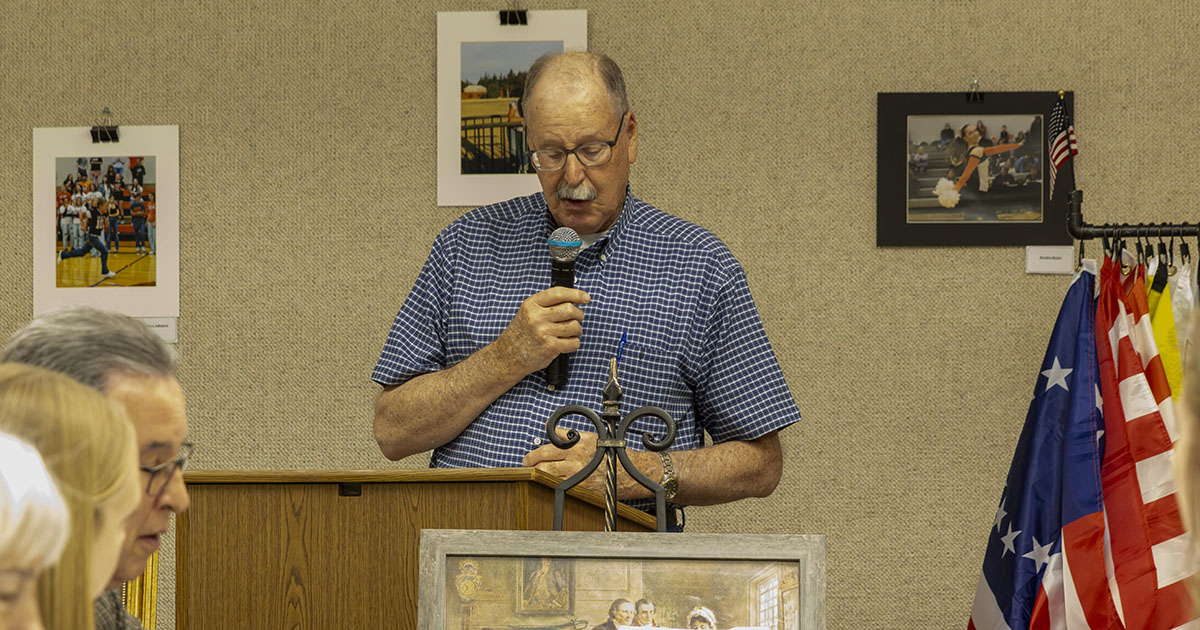
The Prairie Museum of Art and History brought its Food for Thought series to a close for the season on April 16, pairing the final program with the Thomas County Historical Society’s annual meeting inside the Garvey Room. The combined event offered attendees both a look back at a year of progress for the museum and a historically rich presentation centered on the early symbols of American independence.
Historical Society President Jim Malcom opened the afternoon by welcoming members and recognizing the community support that continues to sustain the organization and its programming. He emphasized the role of the Historical Society as both a steward of Thomas County records and the parent organization behind the museum, highlighting the importance of volunteerism and community engagement in maintaining that mission.
The annual business meeting followed, though much of the discussion remained internal to members. Standard procedural items, including approval of minutes and financial reports, were addressed, along with routine board matters and recognition of outgoing and incoming leadership. With the meeting not open to the general public, only limited details were shared beyond the confirmation that organizational business was formally completed before adjourning.
Museum Director Jenny Linden, now just over a year into her role, delivered a recap of the past year that underscored significant growth in both programming and community involvement. She highlighted the addition of new staff members and volunteers, as well as expanded outreach efforts that have helped increase participation across a range of events.

One of the most notable developments came at the Cooper Barn, where infrastructure improvements—particularly the installation of large industrial fans—have transformed the space into a more versatile venue. Previously limited by extreme summer temperatures, the barn is now able to host events more comfortably, resulting in a substantial increase in usage, including multiple weddings over the past year.
Linden also pointed to rising attendance figures and an uptick in group visits, along with expanded youth programming that has brought more students and families into the museum environment. New initiatives, including community-centered clubs and informal gatherings, have further strengthened the museum’s role as a local hub for both education and social connection.
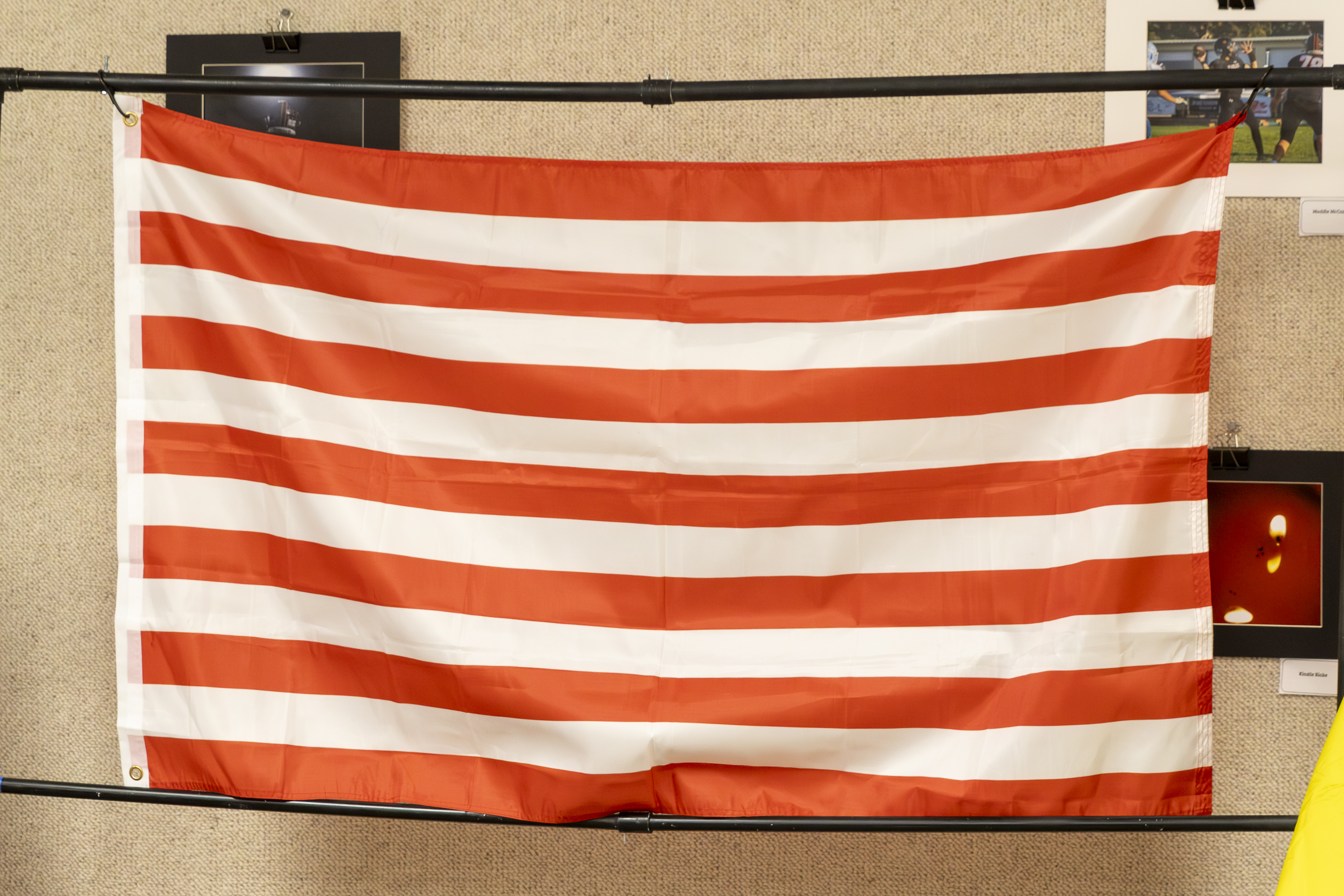
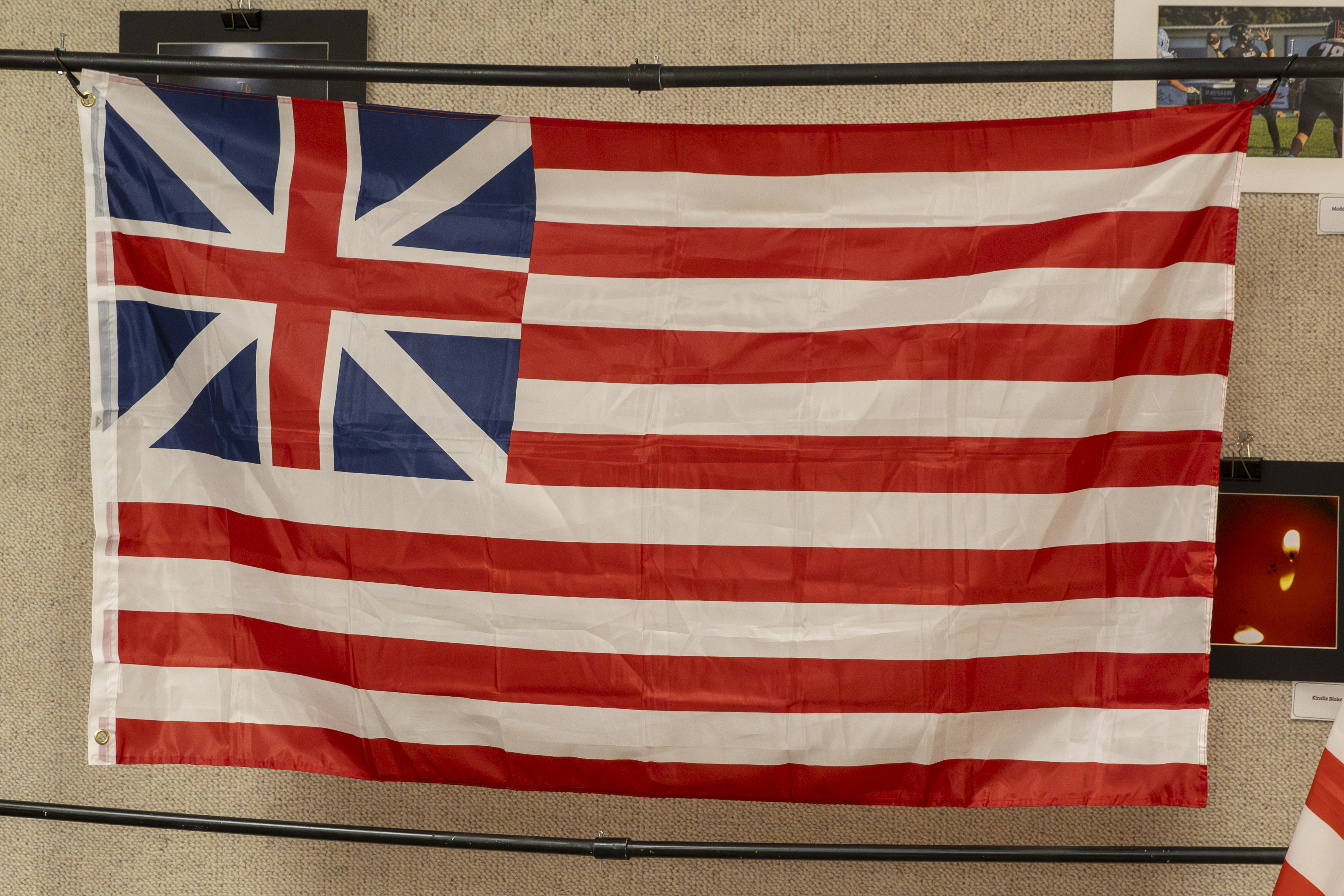
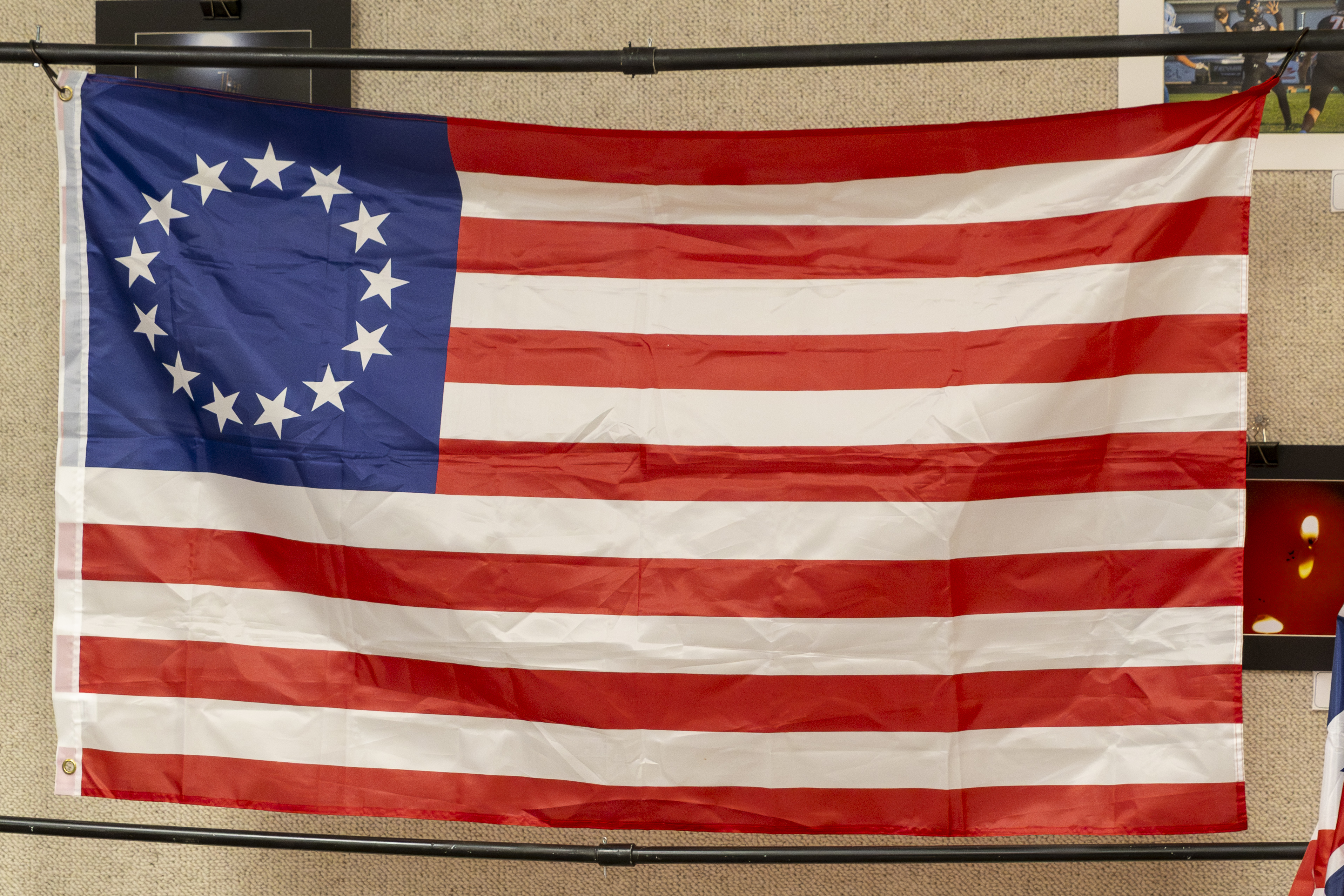
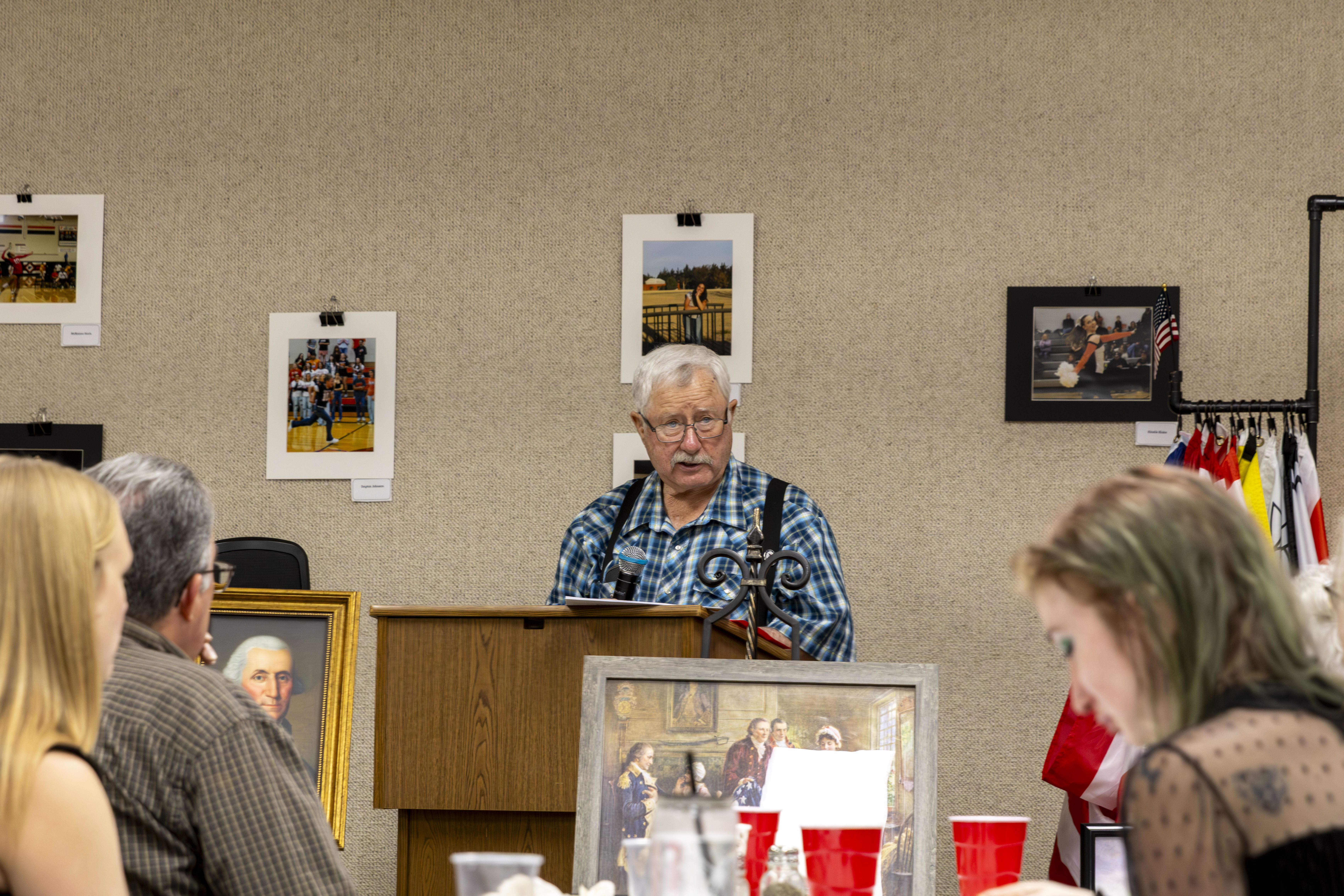
Following the business portion of the meeting, attendees shifted their attention to the afternoon’s featured presentation, “Flags of the American Revolution,” led by local historian Lynn Fulwider. The program traced the evolution of early American flags, illustrating how the colonies used a wide variety of banners—often locally designed—to unify, inspire, and communicate resistance during the Revolutionary era.
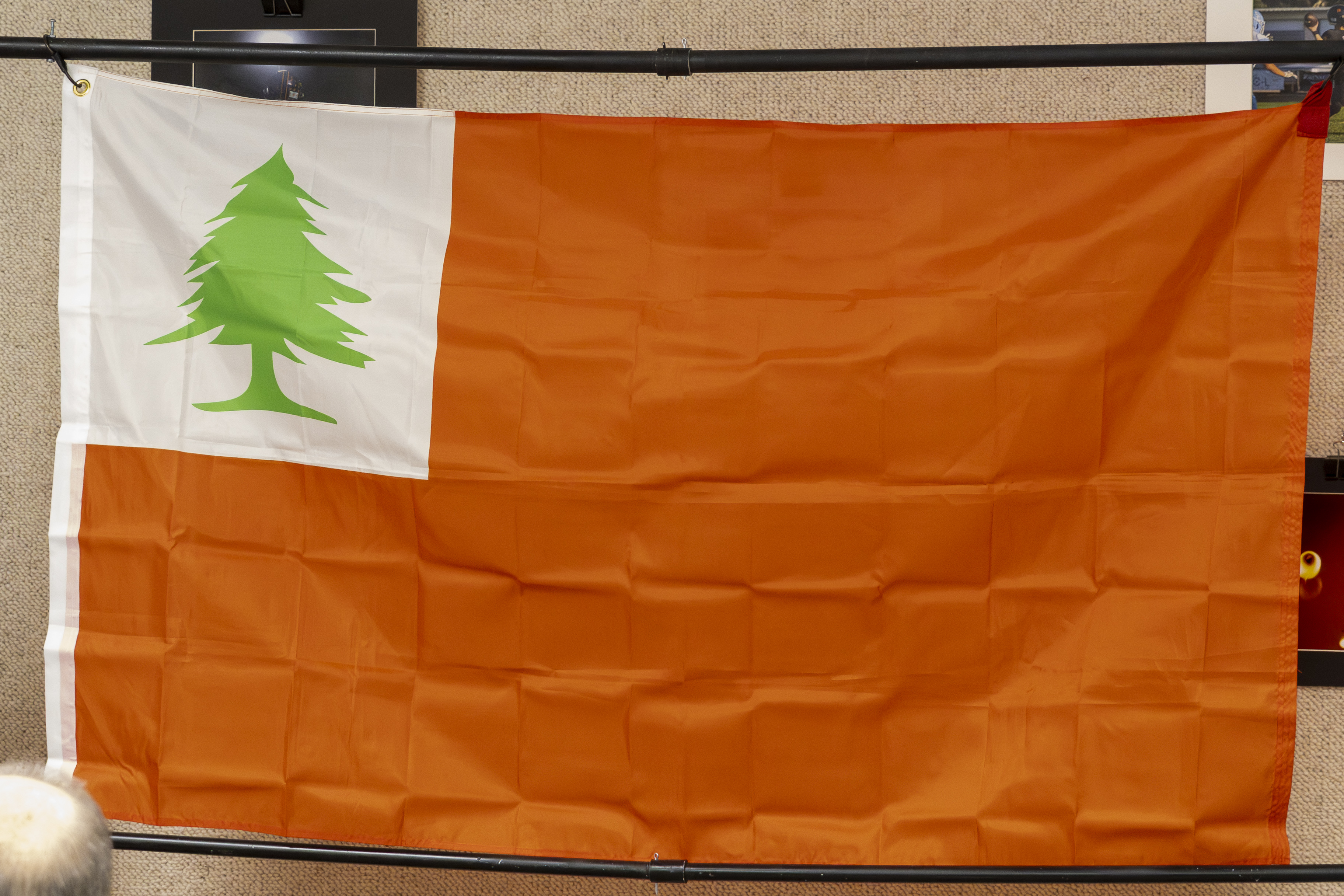
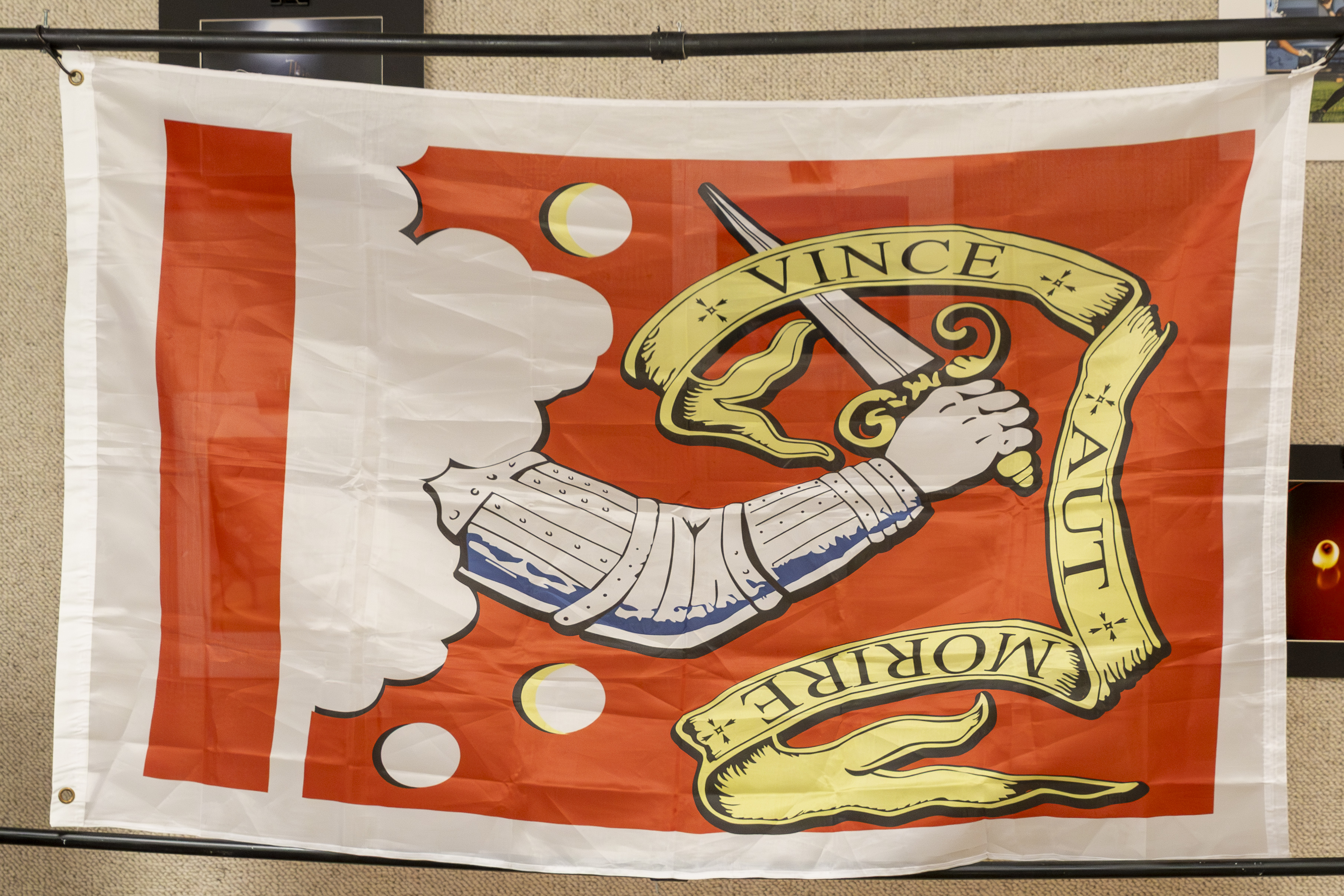
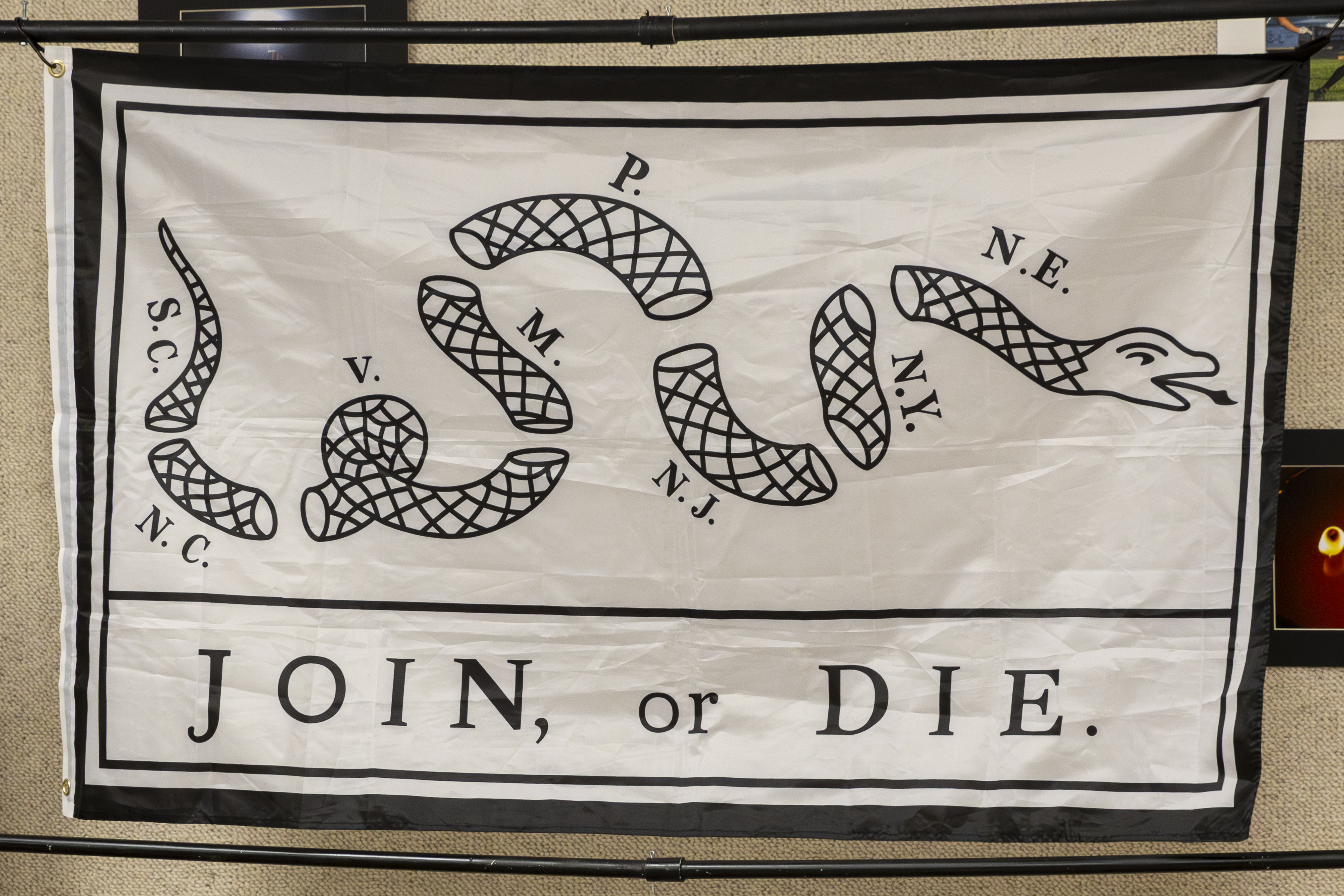
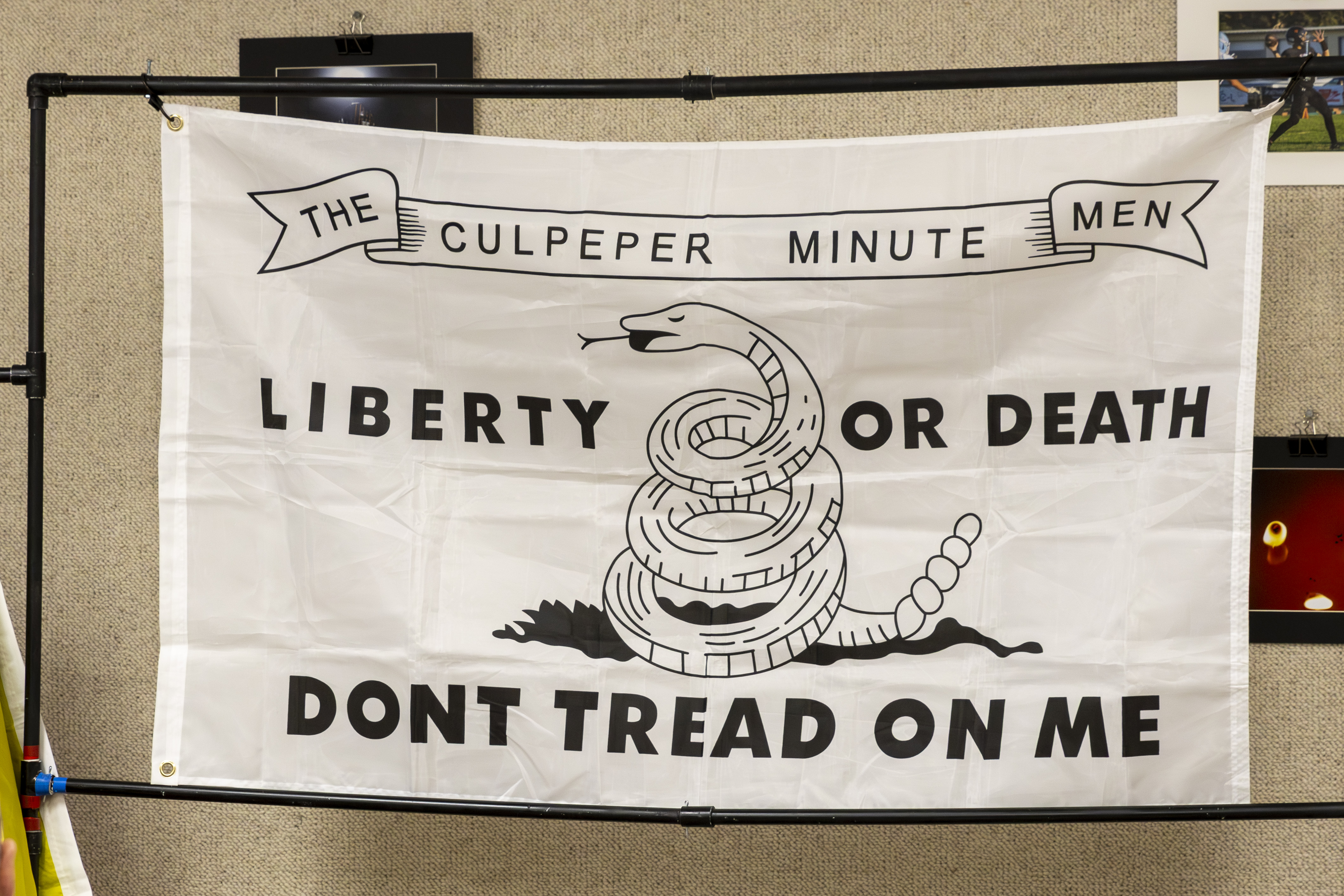
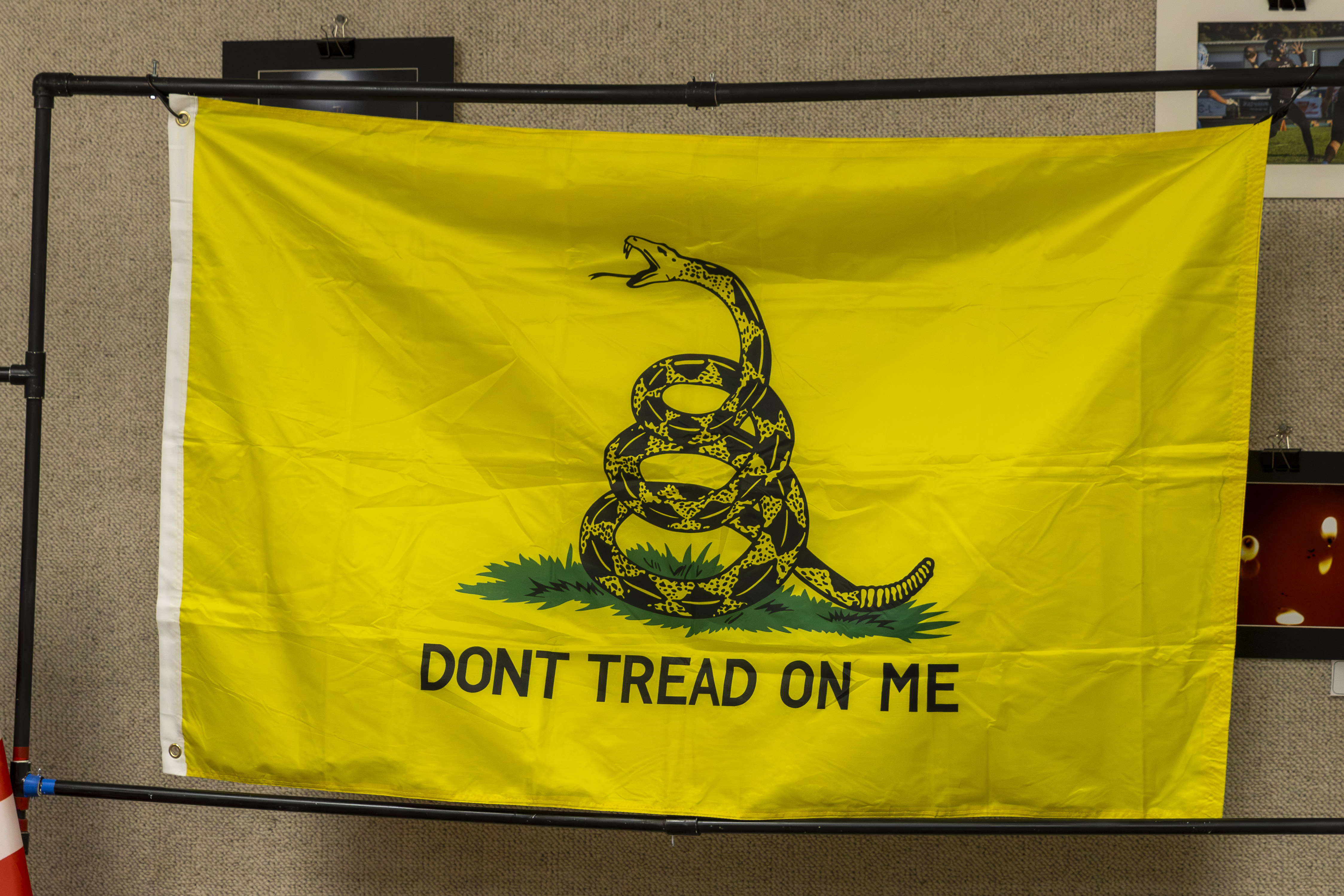
Fulwider walked through several notable examples, including the Pine Tree flag, the Bedford flag, and the iconic “Join, or Die” image popularized by Benjamin Franklin. He also explored the origins of the Gadsden flag and the Sons of Liberty stripes, emphasizing how these symbols reflected the fragmented but determined identity of the colonies at the time.
A central theme of the presentation focused on the lack of a standardized national flag during the Revolution. Instead, dozens—if not hundreds—of variations existed simultaneously, each representing different regions or groups. It was not until later, well after independence was declared, that a more uniform design began to take hold, eventually leading to the modern American flag.
The program served as a fitting conclusion to the Food for Thought series, blending historical insight with the museum’s broader mission of education and community engagement. As the season comes to a close, museum officials indicated that planning is already underway for the return of the series in the fall, along with continued expansion of programs and events throughout the year.
With another season in the books, the Prairie Museum of Art and History continues to position itself not only as a guardian of local history, but as an evolving space where that history is actively shared, explored, and brought to life for the community.